
Bring Nature Home: Biophilic Design Elements for Healthier Spaces

Chosen theme: Biophilic Design Elements for Healthier Spaces. Discover how living textures, daylight, plants, water, and nature-inspired layouts quietly strengthen your body, calm your mind, and spark creativity. Join the conversation, share photos of your experiments, and subscribe for more nature-smart ideas.

The Science Behind Biophilic Design Elements for Healthier Spaces

From Stephen Kellert’s framework to Ulrich’s 1984 study showing faster healing with views of trees, evidence suggests that nature cues lower stress and improve recovery. Notice your pulse slow near plants? Tell us when biophilic moments helped you exhale.

The Science Behind Biophilic Design Elements for Healthier Spaces

Track indoor CO2 (aim below 800 ppm), daylight levels across the day, and heart rate variability changes in quiet refuges. Pair metrics with short mood surveys. Share your data snapshot with us and compare notes with readers tackling similar spaces.

Daylight and Air: Core Biophilic Design Elements for Healthier Spaces

Daylight strategies that respect circadian rhythm

Bounce morning sun deeper with light shelves, choose matte finishes to reduce glare, and zone task lighting warm in evenings. Consider tunable lamps near workstations. Share your favorite window seat and how its light shifts across your working hours.

Fresh air, operable windows, and ventilation balance

Use operable windows where possible, cross-ventilate, and monitor CO2 to guide ventilation boosts. Plants add delight but do not replace fresh air. Tell us which window routine works best for you during seasons when outdoor air varies in quality.

Thermal comfort as a natural rhythm

Aim for gentle seasonal variation, breathable materials, and ceiling fans that mimic breezes. A lap throw in winter, linen in summer, both grounded by wood surfaces. Describe your thermal rituals that keep you comfortable without stifling the space’s vitality.

Greenscapes Indoors: Plant-Based Biophilic Design Elements for Healthier Spaces

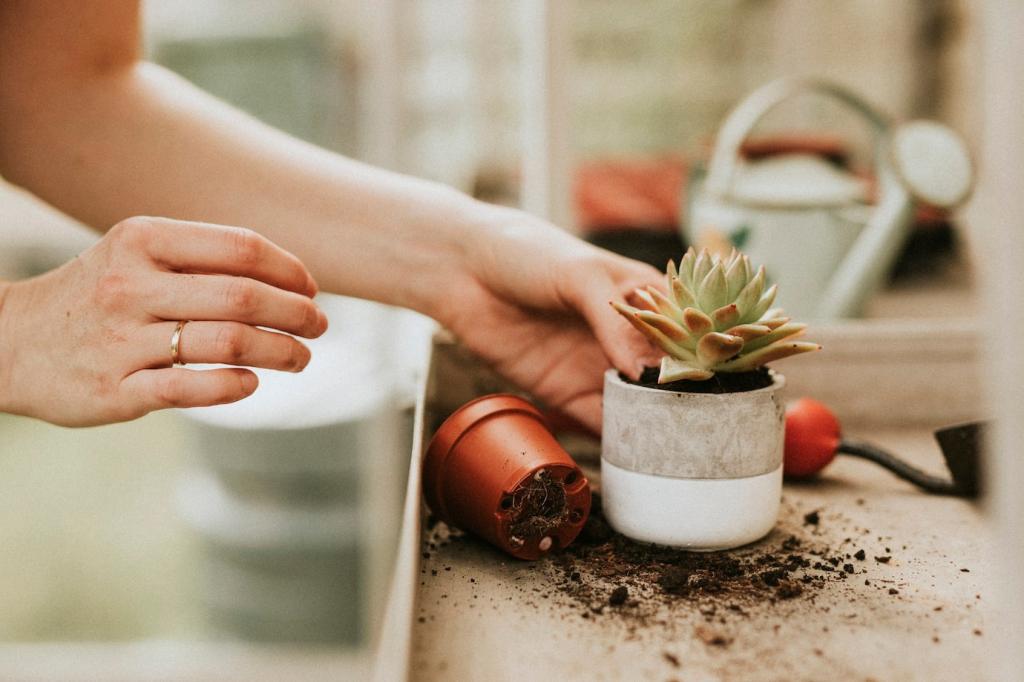
Match species to conditions: pothos, snake plant, and ZZ thrive in variable light; ferns love humidity; herbs want sun. Check pet safety on reliable lists. Share your light map and we will suggest a trio that suits your exact situation.
Create a weekly watering calendar, rotate planters for even growth, and track repot dates. In offices, assign a rotating plant steward. Post your routine or invite a neighbor to exchange cuttings; together you’ll keep your greenscape resilient and fun.
Choose breathable pots with drainage, mix airy soil, and use trays that echo natural textures like clay or stone. Cluster plants by water needs. Show us your planter palette and tell us which texture most calms your space at a glance.

Materiality and Pattern: Tactile Biophilic Design Elements for Healthier Spaces

Use FSC-certified wood for warmth, stone for grounding, and natural fibers for breathability. Avoid overly glossy finishes that fight light. Share your favorite material pairing and whether it influenced how often people choose to linger in the room.

Materiality and Pattern: Tactile Biophilic Design Elements for Healthier Spaces

Fractal-like patterns and leaf-inspired motifs engage the eye without overload, aiding soft fascination and recovery. Layer small-scale textures with one dominant pattern. Post a photo of a pattern that helps you focus, and describe the feeling it evokes.

Water and Sound: Sensory Biophilic Design Elements for Healthier Spaces

Calm water features with practical care

Select a quiet pump, manage humidity, and clean regularly to prevent mineral buildup. Place water where it won’t compete with tasks requiring silence. Share your maintenance tips and if the water’s presence changed how people choose seats in the room.

Soundscapes that soothe, not distract

Layer soft natural sounds with acoustic panels and textiles to absorb echo. Keep volumes low and predictable. Tell us which sounds help you concentrate, and whether certain tasks benefit more from quiet wind than distant waves or forest birdsong.

Acoustic comfort through natural materials

Felt made from wool, cork tiles, and fabric baffles reduce harsh reflections, enhancing speech clarity. Pair with plant clusters that subtly break up sound. Share before-and-after reverb impressions and note if meetings feel calmer or shorter after changes.

Layout and Flow: Spatial Biophilic Design Elements for Healthier Spaces

Offer clear sightlines to windows and doorways, and tuck nooks for focused work or reading. Mix open areas with sheltered corners. Share a photo of your favorite refuge spot and how often you choose it for reflection or deep work.

Layout and Flow: Spatial Biophilic Design Elements for Healthier Spaces

Use plants, light gradients, and texture changes to mark transitions between loud and quiet zones. A narrow fern-lined path can slow the pace. Describe which threshold cues helped your household or team reset expectations when crossing into a calmer area.

Culture, Care, and Evidence: Sustaining Biophilic Design Elements for Healthier Spaces

Start a weekly ‘green minute’ to mist ferns, clean leaves, and rotate planters. Celebrate seasonal shifts with small rearrangements. Comment with your ritual ideas and invite a friend or coworker to join, building shared ownership of the environment.

Culture, Care, and Evidence: Sustaining Biophilic Design Elements for Healthier Spaces

Choose low-VOC paints, formaldehyde-free composites, and certified woods. Favor durable, repairable items over disposables. Post your material checklist and supplier wins so others can replicate your process and avoid greenwashing while staying within realistic budgets.
Randotrekidees
Privacy Overview

This website uses cookies so that we can provide you with the best user experience possible. Cookie information is stored in your browser and performs functions such as recognising you when you return to our website and helping our team to understand which sections of the website you find most interesting and useful.